
Water damage restoration in Melville.
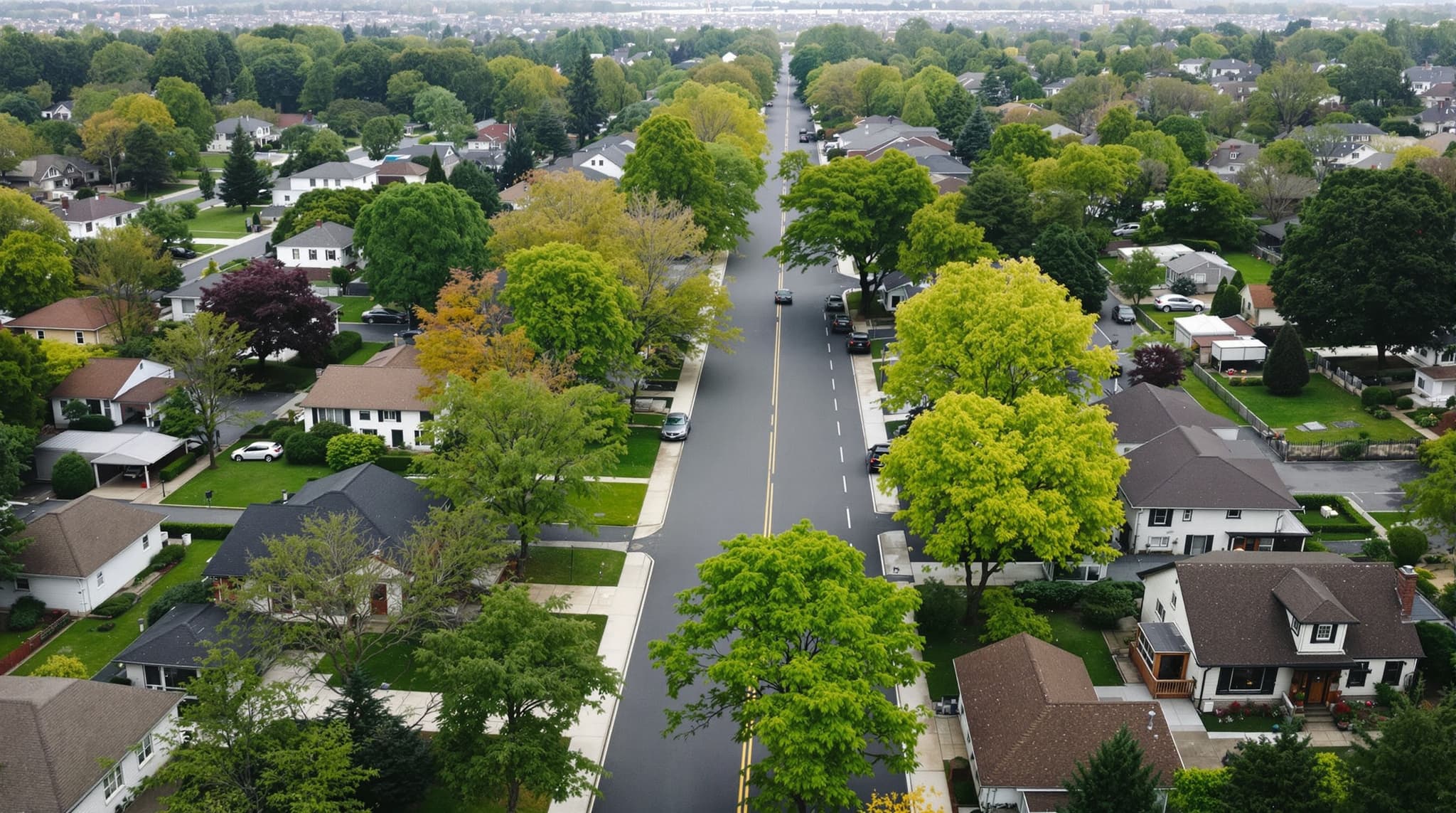
Melville is a hamlet in the Town of Huntington, just over the county line from Plainview and Old Bethpage. Most people know it for the office parks along Route 110, but the residential side is large and mixed: ranches and split-levels from the 1960s, big Colonials and newer custom homes on the hillier streets, and a lot of condo, townhouse and age-restricted communities built from the 1980s on. Each kind of home has its own water problems. In single-family houses, finished basements and long pipe runs to second-floor bathrooms and laundry rooms mean a leak can travel a long way before it shows. On sloped lots, heavy rain runs toward the foundation on the downhill side and into the basement through window wells and cracks. In attached housing, water does not respect property lines. A washing machine hose or toilet supply that fails in one unit can come through the ceiling or shared wall of the unit next door or below, and sorting out the cleanup means dealing with two owners, two insurance policies and usually the association's master policy too. Like much of Suffolk, many Melville homes use a cesspool or septic system rather than a public sewer, so a backup is a contaminated water cleanup that also needs the system pumped and checked. We map the water with moisture meters and thermal imaging, take it out, and dry the structure before mold can start, which can happen within 24 to 48 hours.
Melville is about 6 miles northeast of our base in Bethpage, a short run across the county line. We handle water extraction, structural drying, flooded basement cleanup, sewage and septic backups and mold remediation, and we work directly with your insurance adjuster.
Dispatch to Melville
Truck rolling in under 60 min
Every water emergency, every time.
Burst Pipe Emergency Response
Stop the damage in minutes, not hours.
Basement Flooding & Flood Damage Restoration
Long Island's most common water emergency.
Sewage Backup Cleanup
Category 3 biohazard. Handled by the book.
Applied Structural Drying
Applied Structural Drying. The industry standard.
Mold Remediation & Mold Removal on Long Island
Stop mold before it starts — or remove it when it already has.
Water Damage Insurance Claims
Direct billing. No out-of-pocket until settlement.
24-Hour Emergency Water Damage Response
We answer at 3am. Trucks deployed in under 60 min.
Water damage restoration in Melville — FAQ
Water from the unit above damaged my Melville condo. Whose insurance pays?+
It depends on where the leak started and what your association's bylaws say. Typically the association's master policy covers the building structure and common elements, and your own condo policy (often called an HO-6) covers your interior finishes and belongings. Report it to the board or management company and to your own carrier right away. We document the source and the damage in both units so each insurer can see its share.
Who issues permits for water damage repairs in Melville?+
Melville is an unincorporated hamlet in Suffolk County, so building permits come from the Town of Huntington. Drying and cleanup do not normally need one, but rebuilding plumbing, electrical or structural work can. In a condo or townhouse community, the association may also need to approve the work before it starts.
Our Melville home is on a cesspool. What happens if it backs up?+
Wastewater comes out at the lowest drains in the house, often a basement floor drain, shower or toilet. That is contaminated water, so soaked carpet, pad and drywall come out, and the rest is cleaned and treated before drying. The cesspool or septic tank needs to be pumped and inspected too, because a full or failing system will keep backing up.
Is a flooded basement in Melville covered by insurance?+
It depends on where the water came from. A burst pipe or failed water heater is usually covered under a standard homeowners policy. Rainwater seeping through the foundation is commonly excluded. A sump pump failure or drain backup is usually covered only with a water backup endorsement. We record the source carefully so the claim is filed under the right coverage.
How do you dry a finished basement without ripping everything out?+
We measure first. Moisture meters and thermal imaging show which walls, floors and cavities are actually wet. Carpet pad and wet insulation almost always come out. Drywall is often cut only along the bottom so the wall cavity can dry, and framing and concrete are dried in place with dehumidifiers and air movers. We take readings every day until the materials are back to normal.
Water damage does not wait. Neither do we.
Call the 24/7 line now and a truck rolls in under 60 minutes. Direct insurance billing with all major carriers. No out-of-pocket until your claim settles.
or fill out the dispatch form
Request Emergency Dispatch
Five fields. Truck rolls in under 60 minutes.