
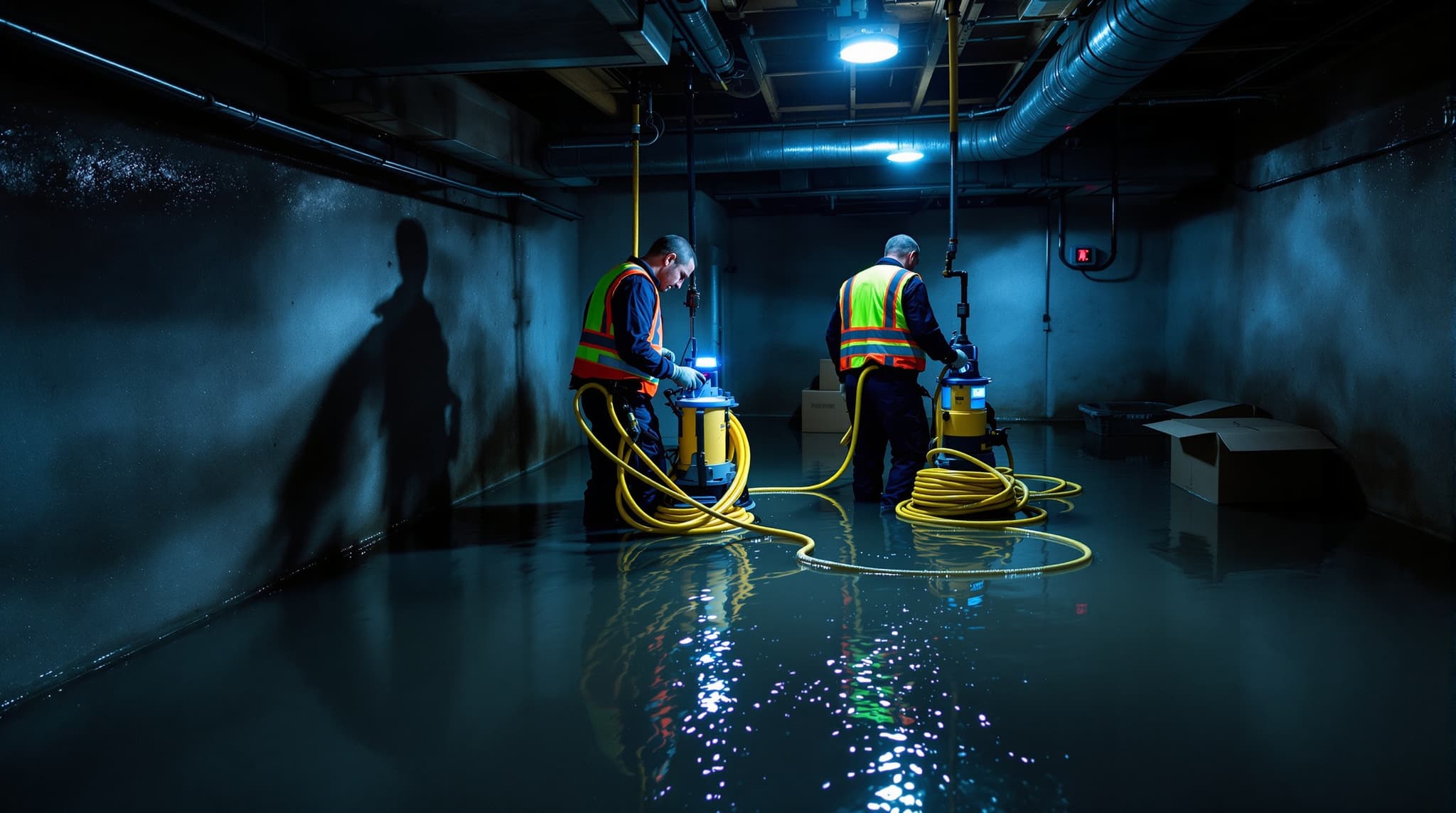
Burst Pipe Response
Levittown, Nassau
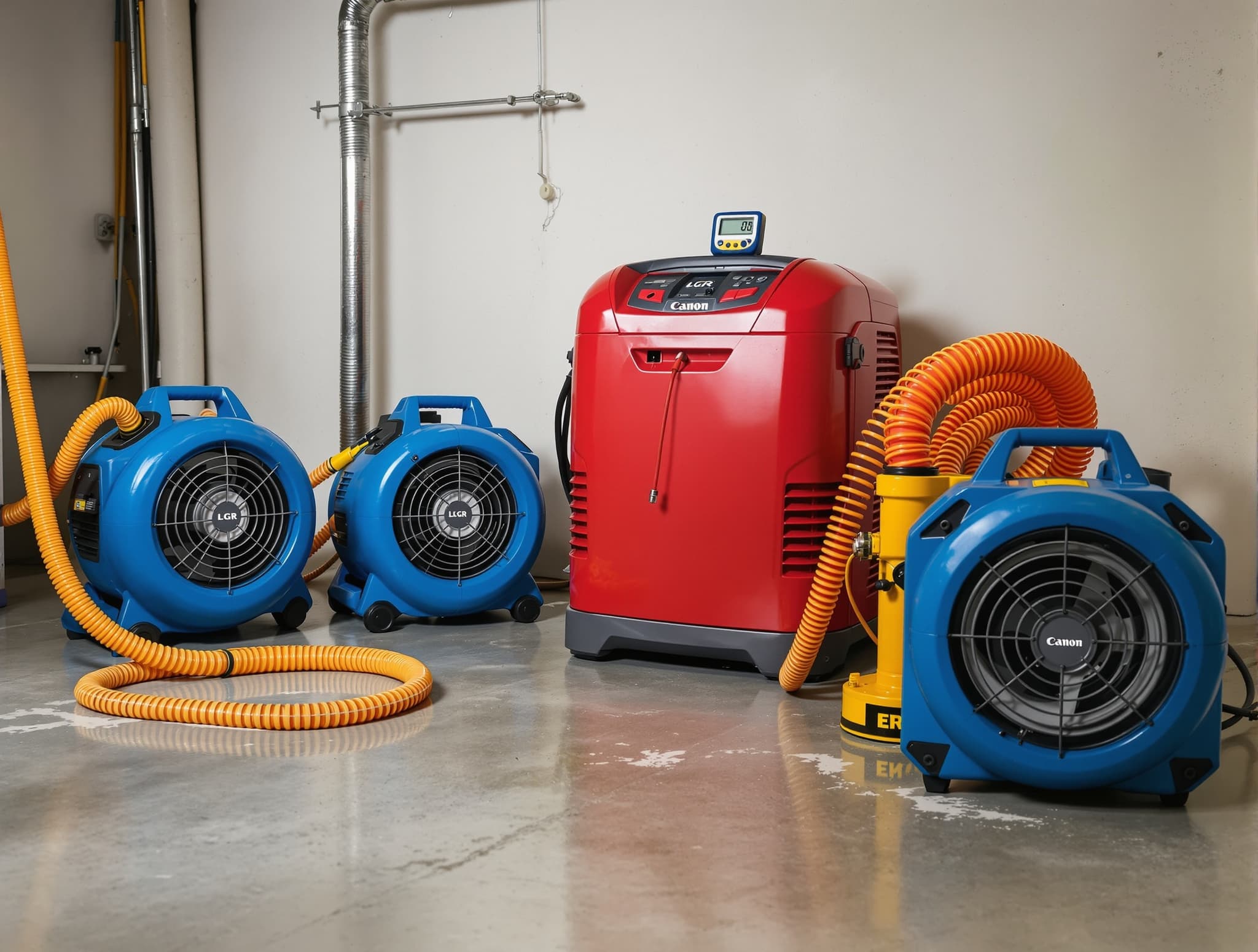
Burst pipe under kitchen sink flooded 800 sq ft of first floor. Extracted water, removed kick plates, set up 6 air movers and 2 LGR dehumidifiers. Direct billing with Allstate.
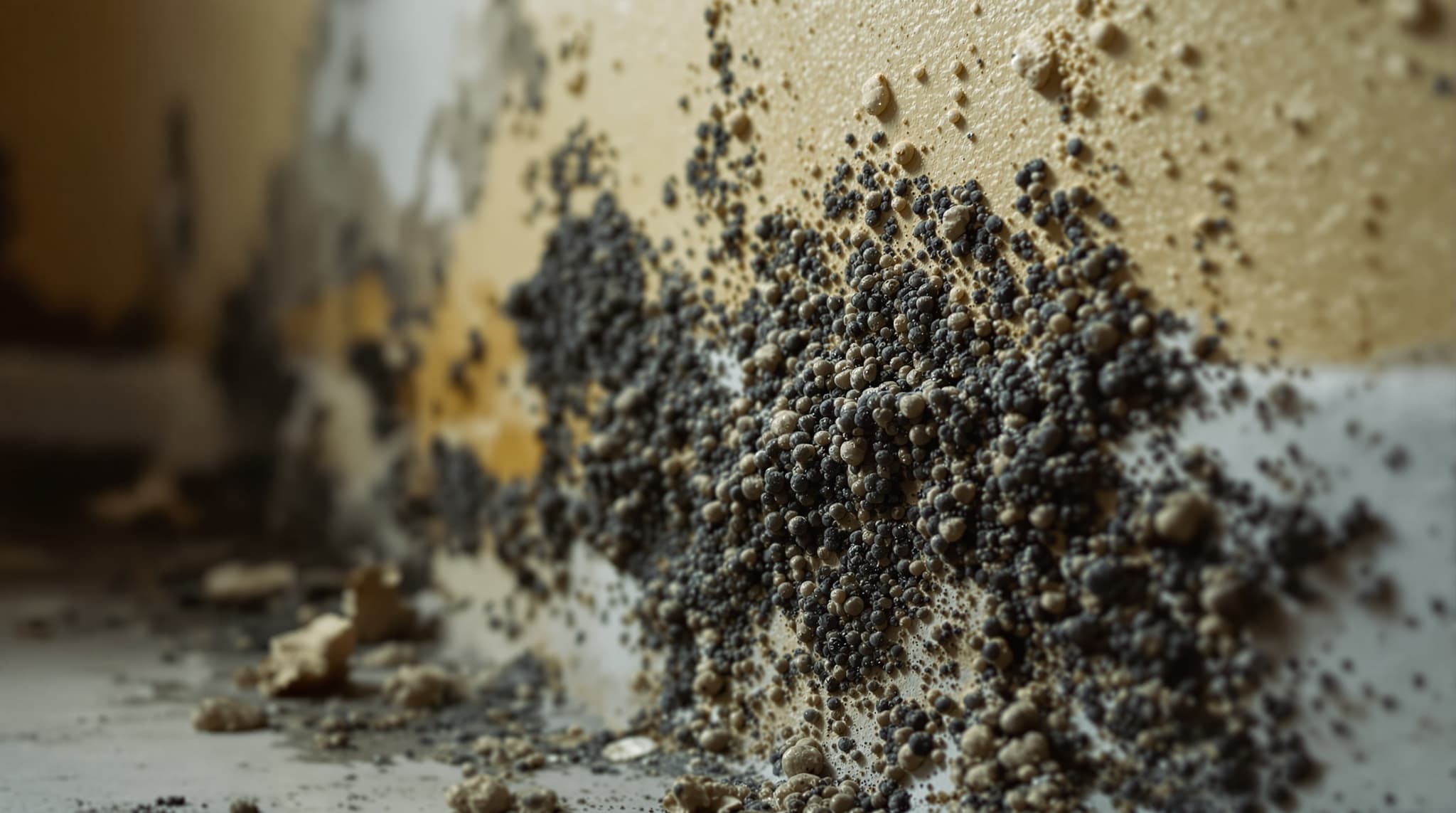
Stop mold before it starts — or remove it when it already has.
Long Island's combination of Nassau and Suffolk County clay soil, high water table, and coastal humidity creates conditions where mold can establish within 48 hours of any water event — and can spread significantly within 72 hours if drying is inadequate. Basement moisture from hydrostatic pressure, nor'easter flooding, and the LIRR corridor's chronic humidity patterns make mold one of the most underreported water damage consequences on the island. Our mold remediation process follows the IICRC S520 standard — the industry protocol that insurance carriers recognize and that defines safe containment, removal, and post-remediation verification.
Truck in under 60 min
Every job follows the same checklist. No shortcuts, no improvisation, no "we'll see how it goes."
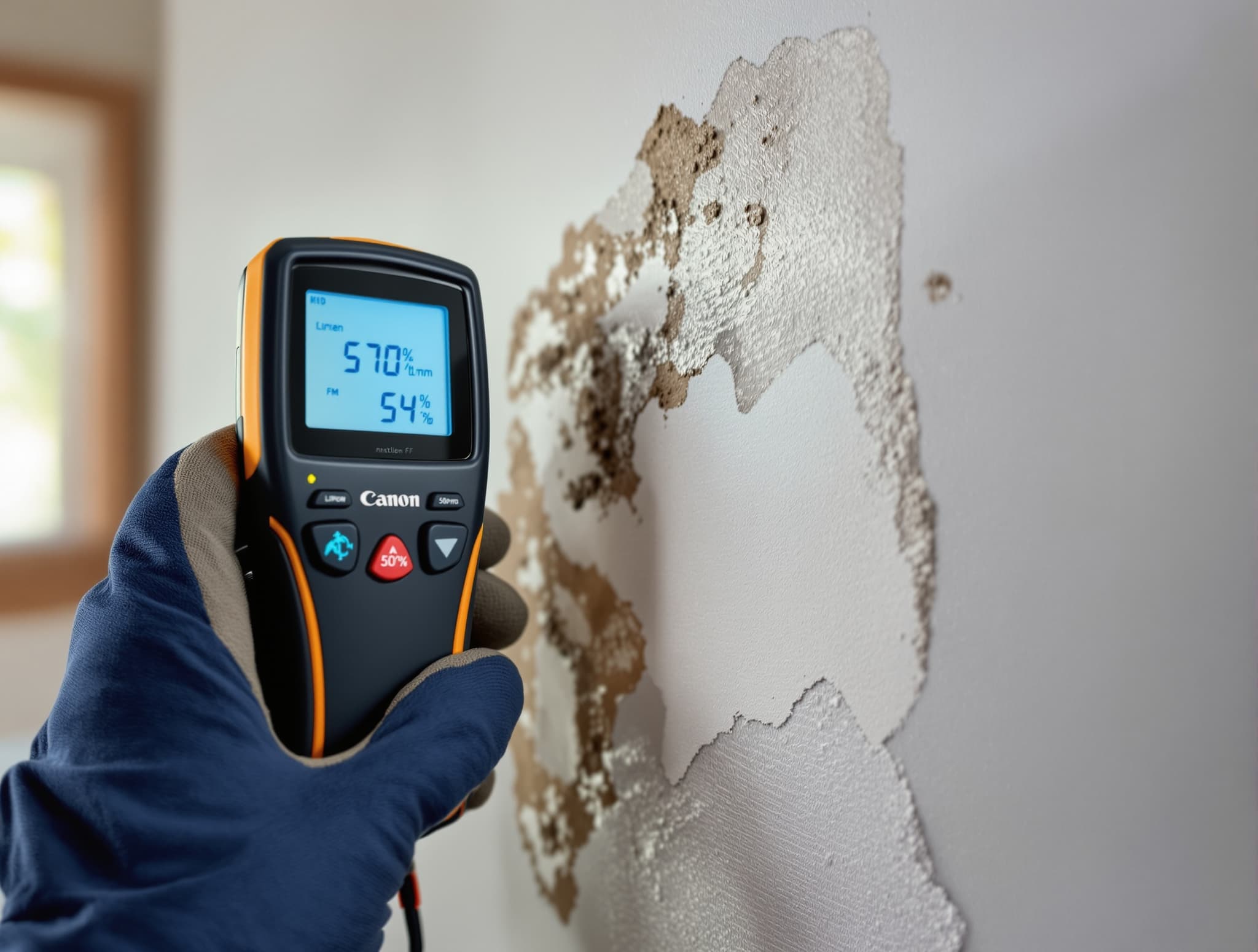
Assess every wet surface within 24-48 hours of the water event using pin-type and pinless moisture meters
Apply EPA-registered antimicrobial on exposed framing, subfloor, and salvageable materials
Control relative humidity below 50% during the entire dry-down with LGR dehumidifiers
Remove porous materials (insulation, padding, cardboard, saturated drywall) that cannot be dried within the mold window
Daily moisture readings with documented progression — we do not leave until readings confirm dry standard
For confirmed mold: IICRC S520 containment barriers, negative air pressure, HEPA removal, and post-remediation air quality sampling via third-party lab
Mold prevention is about speed. The most effective prevention is arriving within the first 48 hours and drying correctly. After 48-72 hours in Long Island's coastal climate, conditions shift from prevention to remediation.
Every exposed framing member and subfloor surface treated with an EPA-registered product rated for mold prevention. Applied within the first hours on site — not after drying is complete.
Dehumidifiers sized to hold relative humidity below 50% throughout the drying period. Nassau and Suffolk County's clay-heavy soil and coastal humidity mean passive drying is never sufficient.
For visible mold growth: containment barriers with negative air pressure, HEPA-filtered removal of affected materials, double antimicrobial treatment, and third-party air quality clearance testing before containment comes down.
Before we leave, pin-type meter readings confirm material moisture is below mold-growth thresholds. For remediation jobs, third-party clearance test results are provided for your insurance file.
Mold prevention as part of a water loss is typically included in the drying line item. Standalone mold remediation: $1,200-$4,500 for partial (one area, 10-50 sq ft affected); $4,500-$12,000 for full basement remediation. Costs depend on square footage affected, material type, and contamination extent.
Homeowners who have had a water leak — active or recent — and want to make sure mold does not follow. Also: homeowners with visible mold growth, musty odors, or water staining older than 48 hours. Pre-purchase buyers with water damage concerns.
Mold remediation caused by a covered sudden-and-accidental water loss is typically covered under standard homeowners policies. Nassau and Suffolk County policies vary — some require a separate mold endorsement. We document the cause-of-loss connection between the water event and mold growth to support your claim.
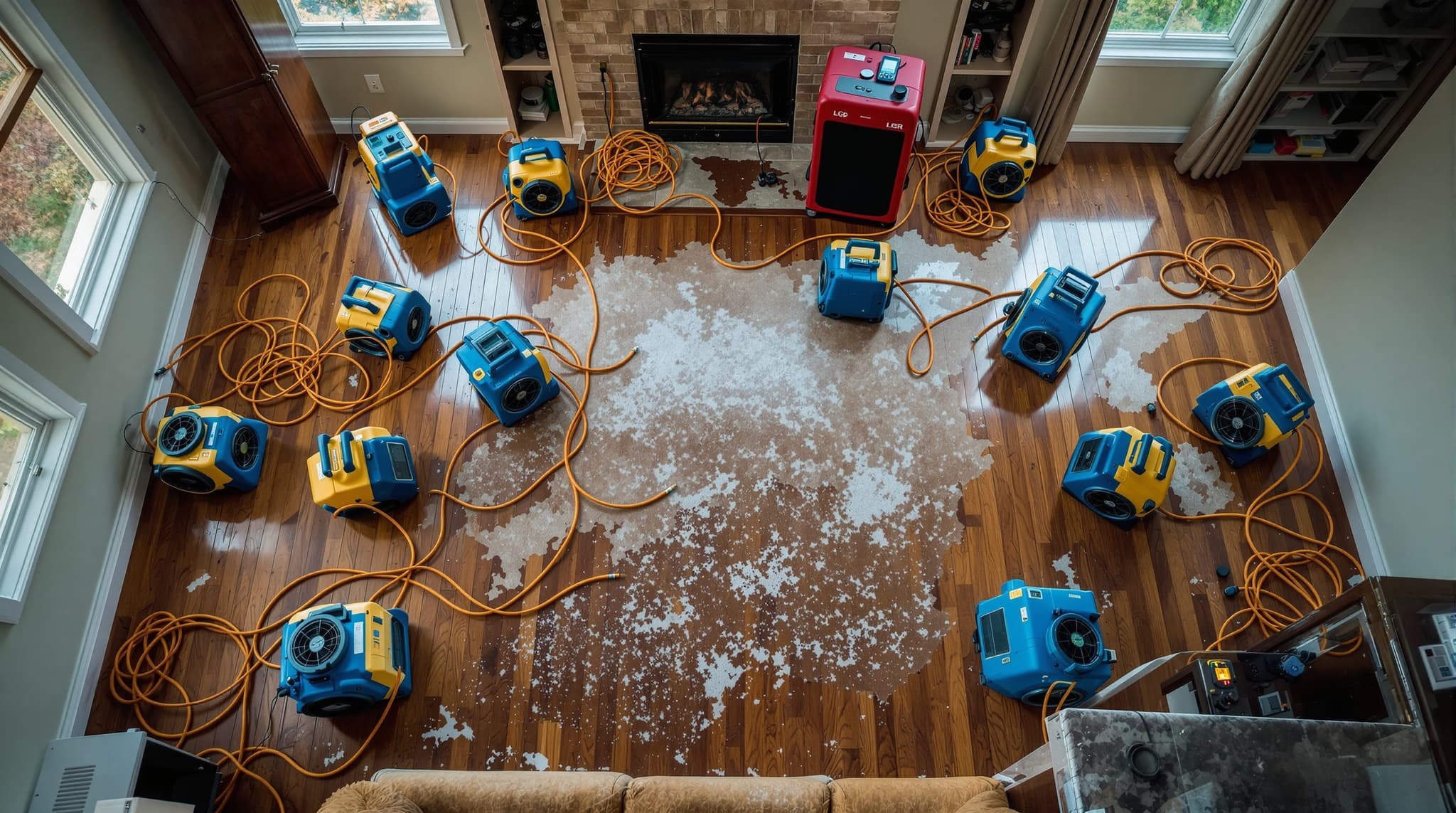
Burst pipe under kitchen sink flooded 800 sq ft of first floor. Extracted water, removed kick plates, set up 6 air movers and 2 LGR dehumidifiers. Direct billing with Allstate.
Basement flooding after heavy rain. 4 inches of water, pumped out in 2 hours, full structural drying over 5 days. Moisture readings verified dry. GEICO claim handled.
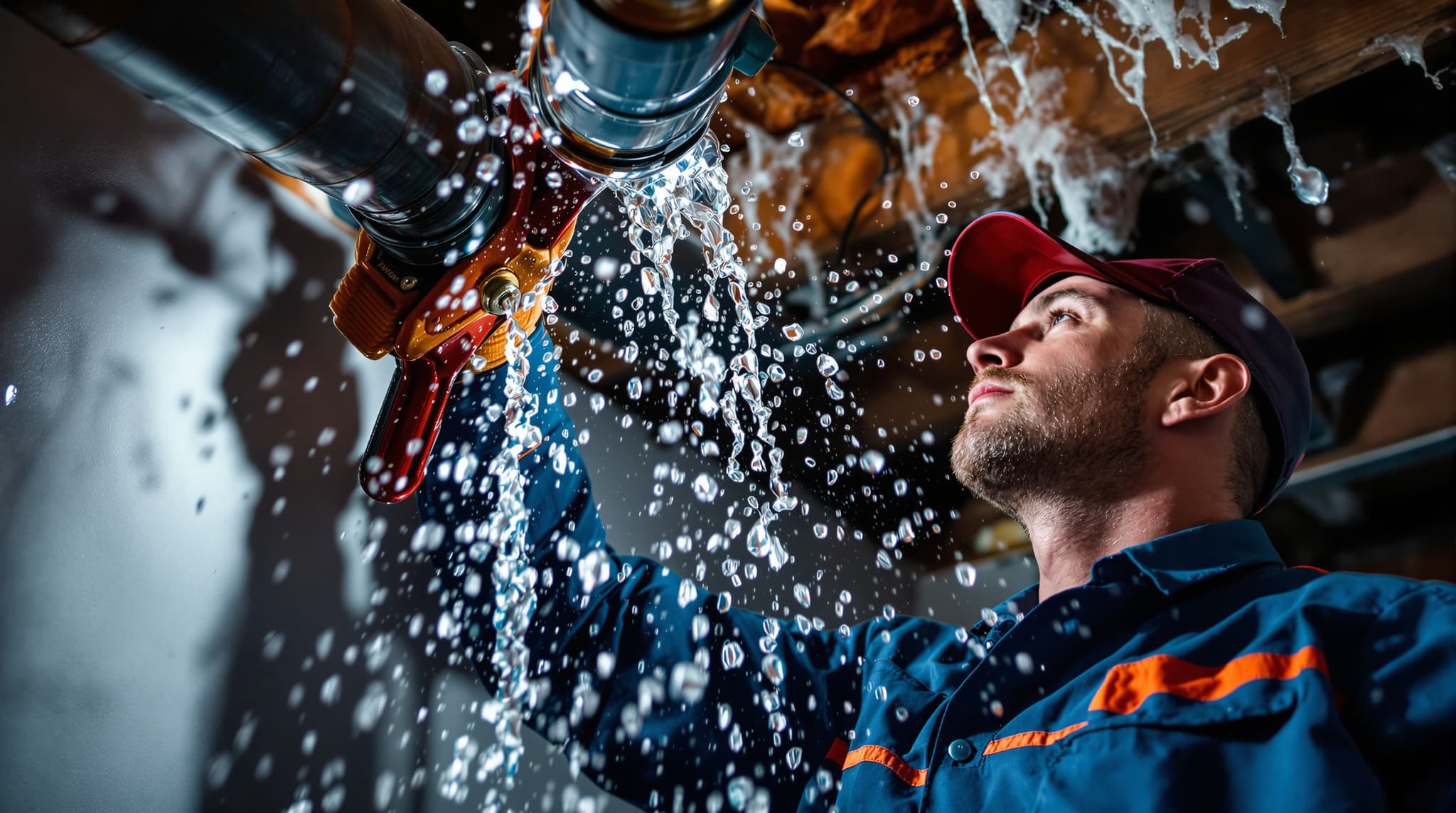
Washing machine supply line failed overnight. Extracted 200 gallons from laundry room and adjacent hallway. Contents manipulation, drying chamber setup.
Sewage backup in finished basement. Full Category 3 protocol — biohazard cleanup, antimicrobial treatment, affected materials hauled. Family relocated 72 hours.
Slow roof leak over master bedroom discovered during ceiling repaint. Cut containment, dried structure, coordinated with roofer for permanent fix.

Frozen pipe burst in wall cavity second floor. Cut drywall, extracted, set up 3 air movers in the wall cavity. State Farm direct billing. 4-day cycle.
Partial mold remediation on Long Island runs $1,200-$4,500 for a contained area of 10-50 square feet — this covers containment setup, HEPA removal, double antimicrobial treatment, and third-party clearance testing. Full basement remediation where mold has spread across a significant area runs $4,500-$12,000 depending on square footage, material types (finished drywall vs. exposed framing), and contamination extent. We provide written scope and pricing before any work begins. Most cases caused by a covered water loss are included in your homeowners claim.
Mold remediation is covered when it results from a sudden-and-accidental water event that is itself covered by your policy — burst pipe, appliance failure, sump pump failure covered under your endorsement. Mold from gradual leaks, humidity, or flood water is typically not covered under standard HO3 policies without a specific mold endorsement. We document the causal link between the water event and the mold growth on every job, which is the critical piece of the insurance argument.
The S520 is the professional mold remediation standard published by the Institute of Inspection, Cleaning and Restoration Certification (IICRC). It defines the protocols for containment, worker protection (full PPE, respirators), source removal, antimicrobial treatment, and post-remediation verification testing. Insurance carriers and NY State guidelines recognize the S520 as the benchmark for professional mold work. Our crew follows S520 on every remediation job — not just prevention work.
Visible signs: black, green, white, or orange growth on walls, framing, or ceiling tiles. Musty or earthy odor from a previously wet area. Water staining on drywall or ceilings that has been present for more than 48-72 hours without drying. Peeling paint or bubbling wallpaper in a consistently damp area. Any of these should be assessed before disturbing the area.
Long Island's Nassau and Suffolk County clay-heavy glacial till soil drains slowly, keeping water tables elevated and basement moisture chronic in many neighborhoods. The coastal humidity from the Long Island Sound, Great South Bay, and Peconic Bay adds ambient moisture that slows structural drying and speeds mold germination. Average relative humidity during Long Island summers runs 65-75% outdoors — inside a wet basement without mechanical drying, mold can establish within 36-48 hours, faster than the national average.
A partial remediation job (one room or area, mold contained to a defined space) runs 2-4 days: Day 1 is containment setup and material removal, Days 2-3 are antimicrobial treatment and drying of remaining structure, Day 3-4 is clearance testing and containment teardown pending lab results. Full basement remediation runs 5-10 days depending on square footage and how much material must be removed. We provide a day-by-day timeline estimate on Day 1 based on the actual scope.
For confirmed visible mold, we arrange third-party air quality and surface sampling through a certified industrial hygienist — the results document pre-remediation and post-remediation conditions for your insurance file and for your peace of mind. We do not use in-house testing to validate our own work. For prevention cases with no visible mold, visual and moisture-meter-based verification is the standard.
Yes, for anything over 10 square feet. New York's mold law (Article 32 of the Labor Law) requires a licensed mold assessor to write the remediation plan and a licensed mold remediation contractor to do the work. The assessor and the remediator on the same job have to be separate companies, so nobody signs off on their own work. Under 10 square feet, you can clean it yourself.
Leave it alone and keep the area closed off. Scrubbing or scraping it releases spores into the rest of the house. "Black mold" usually means Stachybotrys, which grows on drywall and wood that stayed wet for days, so there is almost always a water problem behind it. If it covers more than 10 square feet, New York requires a licensed assessor and remediator. Call us and we will tell you what the next step is.
Bleach does not kill mold on porous surfaces (drywall, wood framing, insulation) — it only changes the color of the surface while leaving the mold root structure (hyphae) intact. EPA-registered antimicrobials with penetrating action are required for porous materials. For non-porous surfaces like tile and metal, bleach solution is acceptable as a supplemental treatment after the primary antimicrobial application.
A professional mold inspection by a certified industrial hygienist typically runs $350-$800 for a standard residential assessment including air sampling and written report. Some companies include inspection in the remediation quote. We recommend third-party inspection rather than having your remediation contractor conduct the clearance test — it removes any conflict of interest from the documentation.
Call the 24/7 dispatch line or send the form. Truck rolls to your driveway in under 60 minutes across Nassau & Suffolk County.
or fill out the dispatch form
Five fields. Truck rolls in under 60 minutes.