
What Mold Remediation Costs on Long Island
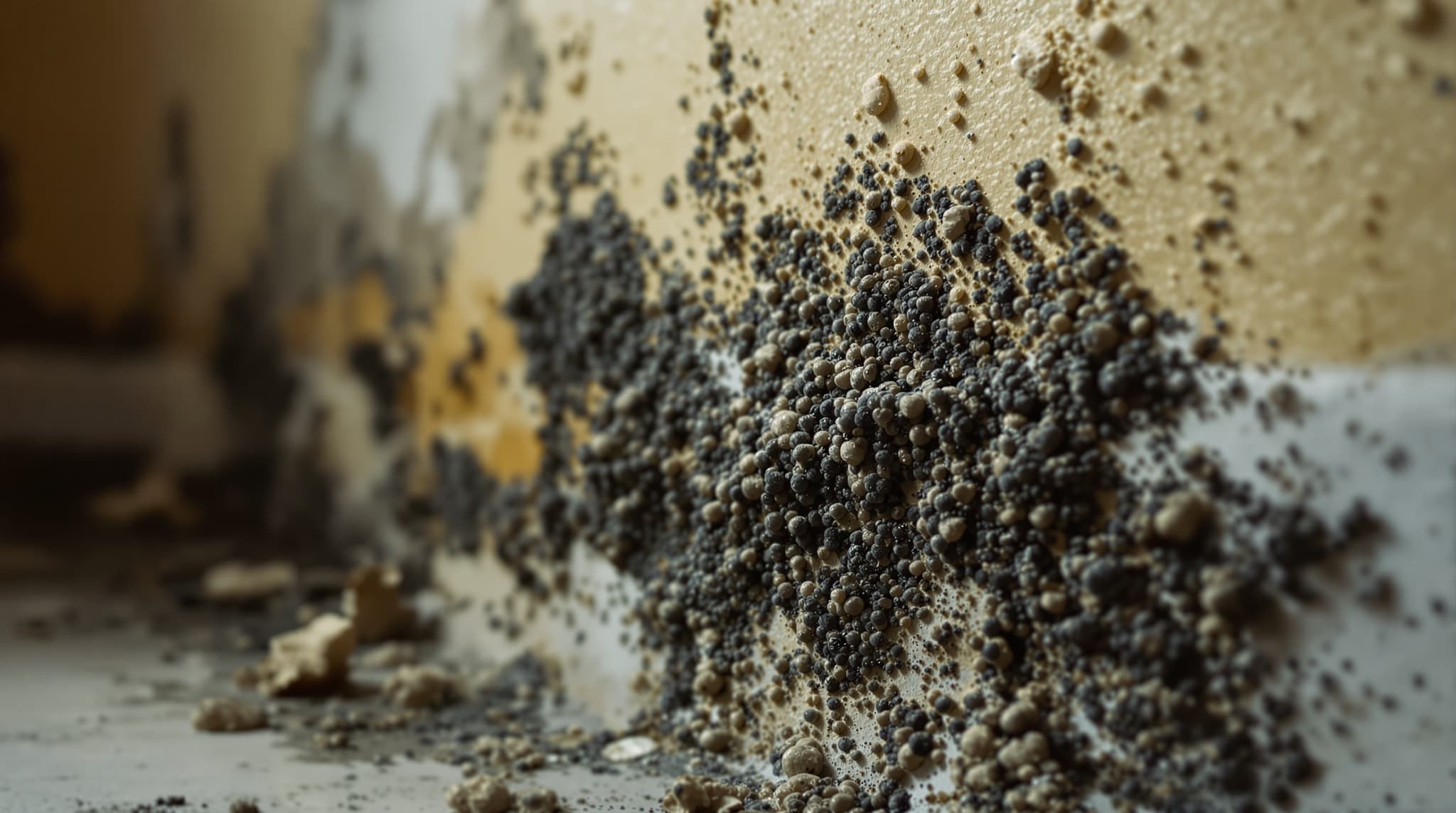
Most mold remediation jobs are priced by the size of the moldy area. Many estimates work out to roughly $10 to $25 per square foot. Long Island prices tend to land near the higher end. Labor costs more here than in most places.
Small jobs still carry setup costs. The crew has to seal off the area and bring in equipment. So a small patch rarely costs as little as the square footage suggests.
| Type of job | Typical range |
|---|---|
| Small spot under 10 square feet | Often a careful DIY job, or a few hundred dollars |
| One area, like part of a basement wall or a bathroom | About $1,200 to $4,500 |
| Full basement or attic | About $4,000 to $12,000 |
| Mold through much of the house | $10,000 to $30,000 or more |
These are rough ranges, not quotes. The only way to get a real number is to have the space looked at.
What Raises the Cost of Mold Remediation
Two jobs with the same square footage can be priced very differently. These are the main reasons.
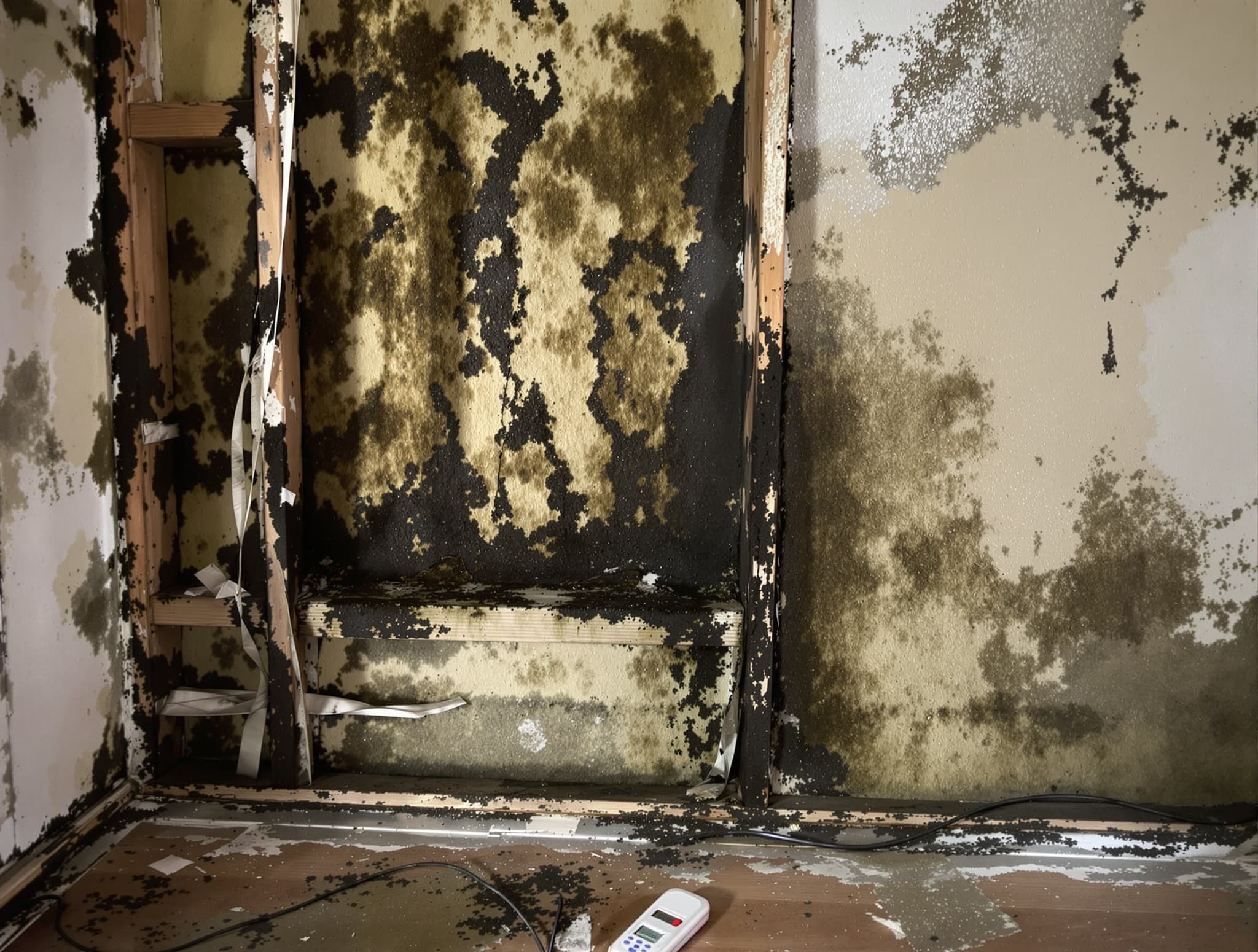
- Where the mold is. Mold on an open basement wall is easy to reach. Mold inside a wall, an attic or a crawl space takes more labor.
- What it is growing on. Moldy drywall, insulation and carpet usually get cut out and thrown away. Hard surfaces like concrete and metal can often be cleaned.
- Containment. The crew seals the work area with plastic and runs air filters. This keeps spores out of the clean rooms.
- Testing. Some jobs need air or surface samples sent to a lab. Each sample adds a lab fee.
- The water problem behind it. Mold always comes from moisture. A leak or a damp basement that still feeds it has to be fixed too.
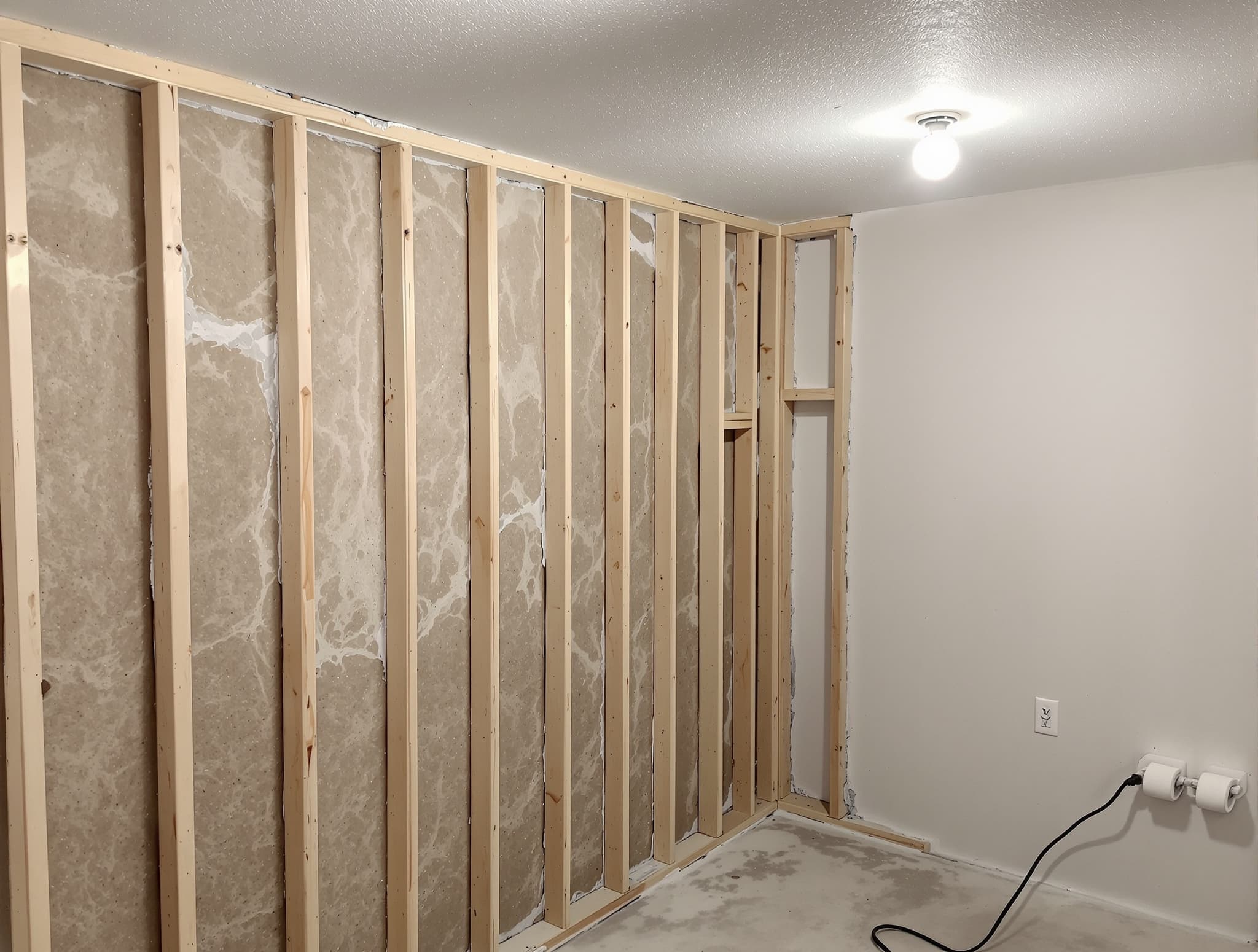
- Rebuilding. Removing moldy drywall leaves open walls. Putting them back is often a separate cost.
How New York's Mold Law Affects the Price
New York has a mold law for jobs with over 10 square feet of mold. It changes who does the work. It also changes how many bills you get.
A licensed mold assessor inspects the space and writes a remediation plan. A separately licensed remediation contractor then does the work. The assessor and the contractor cannot be the same company on the same job.
When the work is done, an assessor checks it again. If the space passes, you get a written clearance report. So on a larger job, you pay for the assessment as well as the remediation.
Assessment visits often cost several hundred dollars each. Ask for the assessor's fee and the remediation price in writing. Then you can see the full cost before work starts.
What a Mold Remediation Estimate Should Include
Estimates for mold work can look very different. Put them side by side and check that each one covers the same things.
- The size of the moldy area in square feet, and where it is.
- What gets removed and what gets cleaned.
- Containment and air filtering while the work is going on.
- Bagging and disposal of the moldy materials.
- Any testing, and who pays the lab.
- Whether rebuilding is included or priced on its own.
- The assessor's fee, if the job has over 10 square feet of mold.
If one estimate is much lower, ask what it leaves out. It may skip the rebuild or the clearance visit.
Does Insurance Pay for Mold Remediation?
Insurance usually pays for mold only when it comes from a covered water loss. Common examples are a burst pipe or a failed water heater. The key is that the water event was sudden.
Mold from a slow leak, high humidity or flooding is often not covered. Flood damage needs a separate flood policy. Many policies also cap how much they pay for mold.
Read the mold section of your policy before work starts. If the mold came from a recent water loss, report it to your insurer quickly. Our water damage insurance claims page explains how those claims usually work.
How to Keep Mold Remediation Costs Down
The cheapest mold job is the one that never starts. Mold can begin to grow on wet materials within 24 to 48 hours. So how fast things dry matters more than anything else.
After a leak, get wet materials dried or removed quickly. Professional structural drying uses dehumidifiers and air movers to dry walls and floors. If your basement took on water, try to start flooded basement cleanup that same day.
Fix the moisture source too. Otherwise the mold can come back, even after a good remediation.
Can You Remove Mold Yourself?
For a small spot under about 10 square feet, you can often clean it yourself. Scrub hard surfaces with detergent and water, then dry the area completely. Wear gloves, goggles and an N95 mask.
Larger areas are a different job. Moldy drywall and insulation usually need to be removed, not just wiped. For anything past a small patch, professional mold remediation is the safer choice.
Mold Remediation Cost Questions
Is black mold more expensive to remove? Not usually. The price depends on how much mold there is and where it is growing. The type of mold matters less than the size of the area.
How long does mold remediation take? A small or medium job often takes a few days. Large jobs can take a week or more. Waiting on clearance results can add time.
Do I need a mold test before remediation? Visible mold often does not need a test to confirm it. On larger jobs in New York, a licensed assessor inspects first and writes the plan. Sampling may be part of that visit.
Get Help With Mold on Long Island
Found mold, or had water that did not dry fast? Call (631) 641-5582 and tell us what you are seeing. We can talk through the next step and set up a visit.
If water is still coming in, ask for emergency water damage response first. Stopping the water comes before anything else.